
February 20, 2026

When “Being in School” Isn’t the Same as Accessing Education: Understanding EBSA
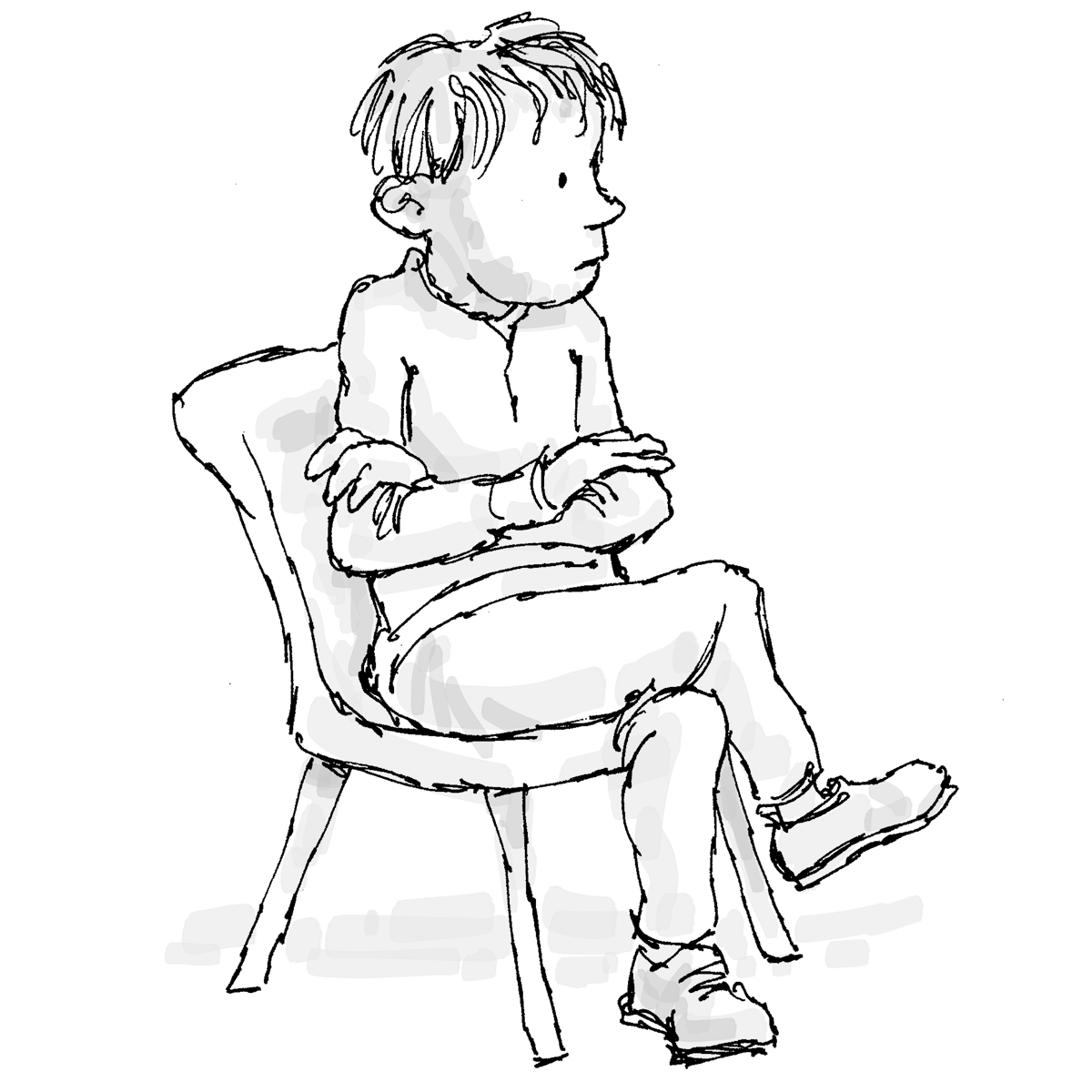
Not being physically in school is often recognised as EBSA (Emotionally Based School Avoidance). But EBSA also includes children who are technically on site yet unable to be in class, engage with learning, or remain for full days. If a child cannot access lessons, peers, or the learning environment because of anxiety, they are still experiencing EBSA—even if they walk through the school gates each morning.

Frequent lateness driven by anxiety should not automatically be treated as a health issue or parental failure. Instead, it should be recorded as a behaviour which requires support / reasonable adjustment that enables the child to access education. Schools have a legal duty to make reasonable adjustments under equality legislation, and children and parents should not be penalised when those adjustments are needed. Every local authority publishes EBSA guidance, and schools should be following it consistently and compassionately.

Where EBSA is present, schools should be creating a structured EBSA support plan and working closely with the local education authority to secure appropriate support. This may involve gradual reintegration, reduced timetables, therapeutic input, or—where necessary—recognising that the current placement is not suitable. In those cases, schools should support an Education, Health and Care Plan (EHCP) application and help move the child into a setting that can meet their needs as quickly as possible. Too often, families are left to navigate this process alone when it should be a collaborative, proactive response.

Many schools remain heavily focused on attendance statistics, sometimes at the expense of understanding the underlying reasons for absence. This can lead to pressure on families and, in some cases, punitive responses. We need a cultural shift: from monitoring attendance to understanding access. A child who is too anxious to learn is not “choosing” absence—they are communicating distress.

When there is medical evidence of EBSA—such as a GP note or a report from a qualified professional—the school should record related absences as authorised. Anxiety is both an educational and health need and may fall under the definition of disability within the Equality Act. Any supporting evidence provided to a school should therefore be taken seriously and reflected appropriately in attendance coding. Recognising EBSA within this legal framework is not about excusing absence; it is about ensuring children receive the support and provision they are entitled to.

Ultimately, EBSA is not an attendance problem—it is an access-to-education problem.

When we reframe the conversation in this way, we move from blame to support, from punishment to provision, and from short-term fixes to long-term outcomes that truly meet children’s needs.

Other Recent Posts

When “Being in School” Isn’t the Same as Accessing Education: Understanding EBSA

Not being physically in school is often recognised as EBSA (Emotionally Based School Avoidance). But EBSA also includes children who are technically…
The National Institute for Health and Care Excellence (NICE)

The National Institute for Health and Care Excellence (NICE) sets out clear expectations for autism assessment. In every area, a…
Autism Masking: The Hidden Struggles Behind the Smile

Autistic children and young people often present themselves differently in social settings than they feel inside. This phenomenon, known as autism…
All Blog Posts

February 10, 2026

The National Institute for Health and Care Excellence (NICE)

The National Institute for Health and Care Excellence (NICE) sets out clear expectations for autism assessment. In every area, a multidisciplinary autism team should be in place.  https://www.nice.org.uk/guidance/cg128

At its core, this team should include a paediatrician or child and adolescent psychiatrist, a speech and language therapist, and a psychologist experienced in working with autistic children and young people. The team should also include—or have regular access to—professionals such as occupational therapists, neurologists, and additional psychologists where needed.

Assessments should not be narrow or rushed. They should build a comprehensive profile of the child or young person, considering areas such as learning style, academic skills, communication, motor skills, adaptive functioning, mental health, physical health, sensory sensitivities, and social participation. This holistic approach is crucial: autism does not exist in isolation from a child’s wider development and wellbeing.

Where there are differences between what families report and what clinicians observe in a clinical setting, NICE guidance is clear: further information should be gathered and additional observations considered. This may include seeing the child in school, at home, or in other environments. Diagnosis should then be based on all available information and clinical judgement, using recognised criteria such as ICD-11 or DSM-5. In other words, one short appointment in an unfamiliar setting or online should never be the sole basis for a life-shaping decision.

The Myth of the “NHS Standard” for Private Reports

Parents are sometimes told that privately commissioned reports do not meet an “NHS standard.” In reality, there is no statutory or regulatory requirement that private assessors meet a separate, undefined NHS threshold. The phrase is often used informally and can create unnecessary barriers for families seeking timely assessments. Clarity matters here: what matters is professional qualification, appropriate assessment methods, and adherence to recognised guidelines such as NICE—not whether the report was funded by the NHS.

Independent Expert Reports and the Law

Local authorities cannot lawfully adopt a blanket policy of refusing to consider independent expert reports. The Special Educational Needs and Disability Regulations 2014 make clear that, during an Education, Health and Care (EHC) needs assessment, parents and young people have a statutory right to submit any advice or information they wish. Those reports must be considered.

There is nothing in legislation that prevents local authorities from accepting independent assessments. If a family is told that a report will not be considered, they should request this in writing and seek confirmation that all submitted evidence will be shared with decision-making panels. Transparency and accountability are essential safeguards within the SEND system.

Provided that a practitioner is suitably qualified, has carried out standardised assessments within their professional field, and has followed recognised guidance such as NICE, their findings should be taken seriously. The focus should always be on the quality and relevance of the assessment—not the funding route through which it was obtained.

A System That Works With Families, Not Against Them

The intention behind national guidance and legislation is clear: assessments should be thorough, multidisciplinary, and responsive to the individual child. Families should be partners in the process, not gatekeepers fighting to have evidence recognised.

When we move away from myths and toward the actual guidance and law, we create a system that is more transparent, more collaborative, and ultimately more effective for children and young people who need support.

Other Recent Posts

When “Being in School” Isn’t the Same as Accessing Education: Understanding EBSA

Not being physically in school is often recognised as EBSA (Emotionally Based School Avoidance). But EBSA also includes children who are technically…

The National Institute for Health and Care Excellence (NICE)

The National Institute for Health and Care Excellence (NICE) sets out clear expectations for autism assessment. In every area, a…

Autism Masking: The Hidden Struggles Behind the Smile

Autistic children and young people often present themselves differently in social settings than they feel inside. This phenomenon, known as autism…

All Blog Posts

February 5, 2026

Autism Masking: The Hidden Struggles Behind the Smile

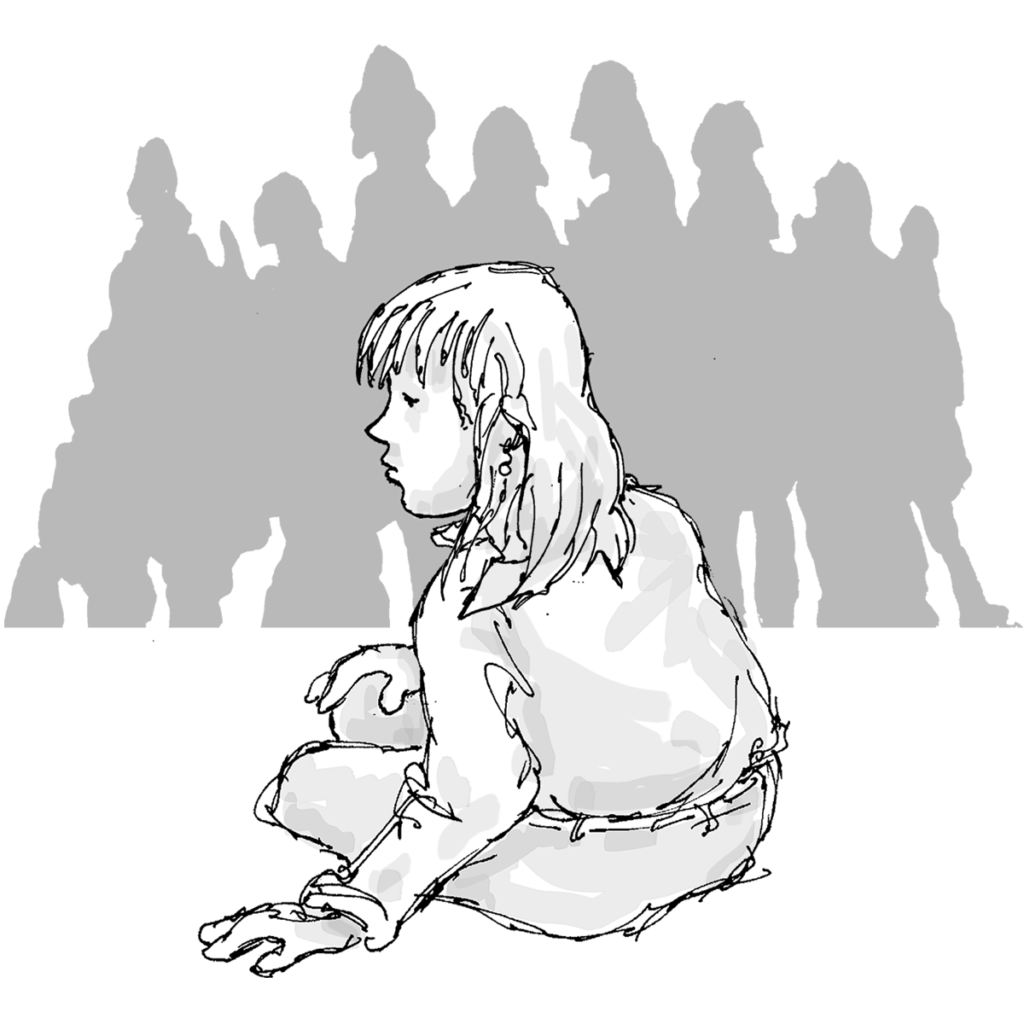
Autistic children and young people often present themselves differently in social settings than they feel inside. This phenomenon, known as autism masking, involves camouflaging natural behaviours to fit in—mimicking peers, suppressing instinctive responses, and hiding difficulties in social interaction. The National Autistic Society defines masking as the strategies individuals use to “hide difficulties in social interaction.”

Masking is exhausting. Many young people appear to cope at school, but the effort it takes comes at a significant cost.

What Triggers Masking?

Autistic children are particularly vulnerable to certain stressors, including:

  • Change and transition
  • Bullying
  • Increased social demands
  • More complex academic expectations
  • The school environment itself

Added context: These triggers are not just minor inconveniences—they are daily pressures that demand constant adaptation, often at the expense of mental health.

The Hidden Struggles

Masking often conceals profound difficulties that can go unnoticed by teachers, peers, and even parents:

  • Huge pressure on parents
  • Anxiety and low mood
  • Falling short of academic potential
  • Self-harming thoughts or suicidal ideation
  • Inattention or ADHD traits
  • Difficulty falling asleep
  • Sensory integration issues, including interoception difficulties and alexithymia
  • Emotional regulation challenges
  • Fussy eating or Avoidant/Restrictive Food Intake Disorder (ARFID)

Added insight: These struggles are not signs of failure—they are the cost of constant masking and unmet support needs.

The Consequences of Masking

When autistic children mask their behaviours over time, the effects can be severe:

  • Deterioration of mental health
  • Emotionally Based School Avoidance (EBSA), preventing access to education

As the NAS notes:

“Many pupils with the condition explain that by the time they get home they are feeling stressed, angry and worn out. These true feelings inevitably come out when they are at home, and parents and other family members bear the brunt of this.”

Another critical consequence is autism burnout, defined by the NAS as:

“A syndrome conceptualised as resulting from chronic life stress and a mismatch of experiences and abilities without adequate supports. It is characterised by pervasive, long-term (typically 3+ months) exhaustion, loss of function, and reduced tolerance to stimulus.”

Added emphasis: Burnout is not laziness or behavioural defiance—it is the nervous system and mind physically and emotionally overwhelmed by constant masking and unmet support needs.

Assessment: More Than a Label

It is essential to ask: Is the goal just a diagnosis, or a diagnosis plus effective support strategies?

A thorough evaluation should include:

  • A detailed developmental history to identify actual needs, co-morbidities, and subtle indicators of difficulties
  • Multi-professional assessment per NICE guidelines, including paediatricians, psychologists, and other specialists

Added context: Many CAMHS teams refuse assessment if there is insufficient information from the education setting. This creates a barrier that can prevent timely identification of needs and support.

Uncovering Hidden Challenges

Some of the most important, often overlooked assessments include:

  • Specialist speech and language therapy: to detect subtle language disorders or processing difficulties, even in chatty children who mask their challenges
  • Occupational therapy: to assess sensory integration, regulation, and daily functioning

Added emphasis: Proper assessment is about understanding the child—not fitting them into a generic checklist. When the right professionals are involved, the focus shifts from “what’s wrong?” to “what supports will help this child thrive?”

Conclusion: Seeing Beyond the Mask

Autistic children who mask are sending a clear message: They are struggling, even if it isn’t visible. By recognising triggers, assessing hidden challenges, and providing tailored support, schools, professionals, and families can prevent burnout, EBSA, and long-term mental health difficulties.

Added call-to-action: The goal is not simply a label—it’s a system that listens, understands, and responds. Only then can autistic children truly access education, fulfil their potential, and thrive both at school and at home.

Other Recent Posts

When “Being in School” Isn’t the Same as Accessing Education: Understanding EBSA

Not being physically in school is often recognised as EBSA (Emotionally Based School Avoidance). But EBSA also includes children who are technically…

The National Institute for Health and Care Excellence (NICE)

The National Institute for Health and Care Excellence (NICE) sets out clear expectations for autism assessment. In every area, a…

Autism Masking: The Hidden Struggles Behind the Smile

Autistic children and young people often present themselves differently in social settings than they feel inside. This phenomenon, known as autism…
All Blog Posts